Industrial Laundries
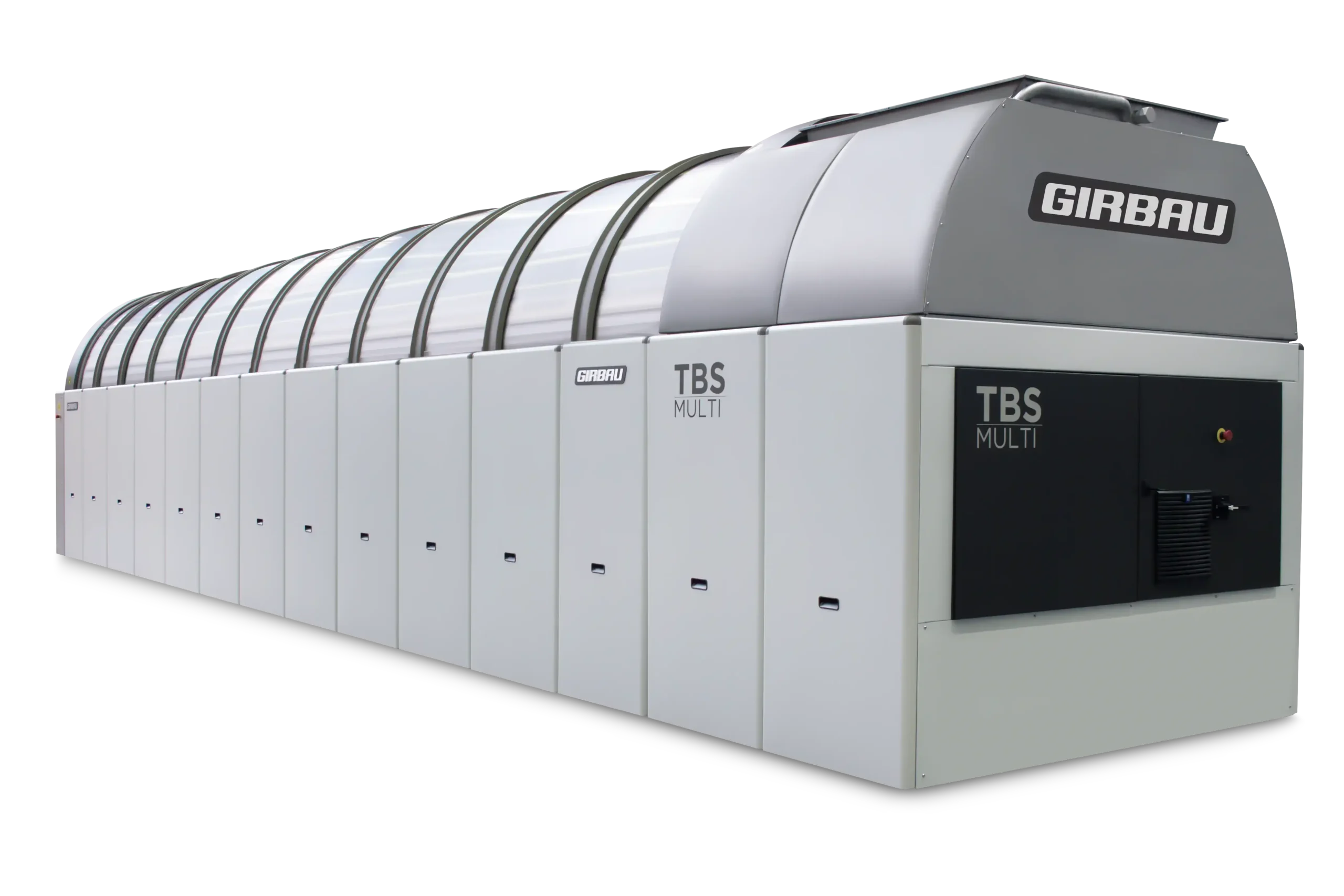
TBS 50 Tunnel Washer
Maximum Productivity in Continuous Washing Processes


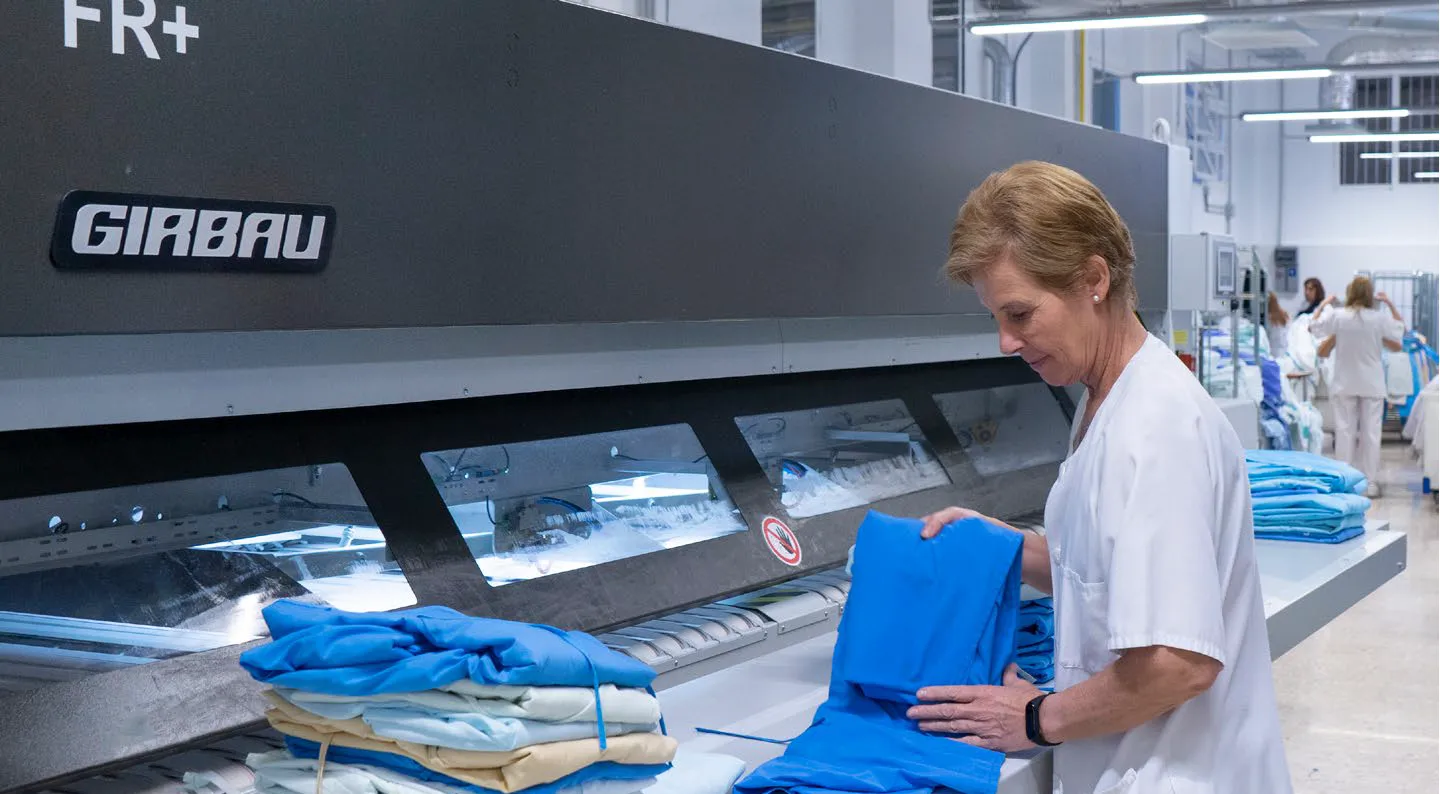
Discover how Girbau transformed the laundry facility at the Lozano Blesa University Clinical Hospital in Zaragoza into a modern, efficient, and results-driven installation, capable of processing up to 6,300 kg of laundry per shift. Through an innovative “As a Service” model, with no upfront investment required from the hospital, the project combines advanced technology, energy optimization, and comprehensive management to ensure a reliable and sustainable service in the long term. This solution demonstrates how smart outsourcing and automation can turn a hospital laundry into a strategic asset for operational efficiency, sustainability, and quality of care.
Project Objective
The objective of the project was to modernize and optimize the laundry facilities at the Lozano Blesa University Clinical Hospital in Zaragoza to increase productivity, improve energy efficiency, and double operational capacity, while ensuring a reliable, results-oriented service in the long term.
The Challenge
The hospital’s laundry operated with equipment over 26 years old, had limited capacity, and consumed high amounts of energy. The challenge was to completely renovate the facility without requiring the hospital to make upfront investments or manage daily operations, while simultaneously increasing washing capacity, reducing environmental impact, and improving staff ergonomics.
Girbau carried out a comprehensive renovation of the laundry through its “As a Service” business model, based on a “pay-per-use” system fully oriented toward results. The 12-year project establishes that the hospital pays per kilogram of laundry washed and covers the costs of water, electricity, and gas, while Girbau retains ownership of the equipment and manages the supply of chemicals, maintenance, and overall operational performance.
In addition, Girbau managed the entire renovation process: preliminary study, civil works, space adaptation, climate control, machinery installation, commissioning, and training in laundry processes and management.
Developed under the Public Procurement for Innovation (PPI) framework, this project received the Amparo Poch Award for Best Public Procurement for Innovation in 2019.
A Complete Turnkey Project
Girbau managed the entire renovation of the hospital laundry, from the initial study to final delivery. This included civil works, climate control, equipment installation, and staff training. Thanks to its “As a Service” business model, the hospital only pays per kilo of laundry, while Girbau takes care of chemicals, maintenance, and ownership of the machinery.
State-of-the-art equipment was installed, including a Hygien washing tunnel with Drain Intercooler, which recovers energy from wastewater to achieve a 30% energy savings. Complete ironing lines, folding machines, and a hydro-extractor press were also installed to optimize drying and reduce energy consumption.
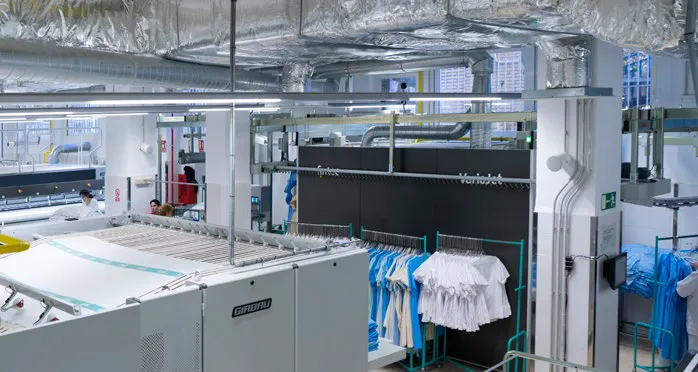
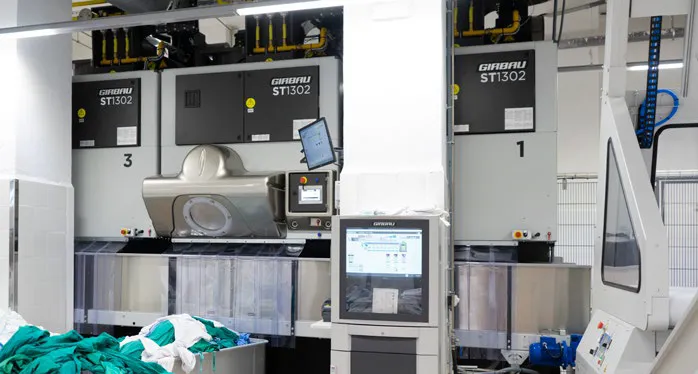
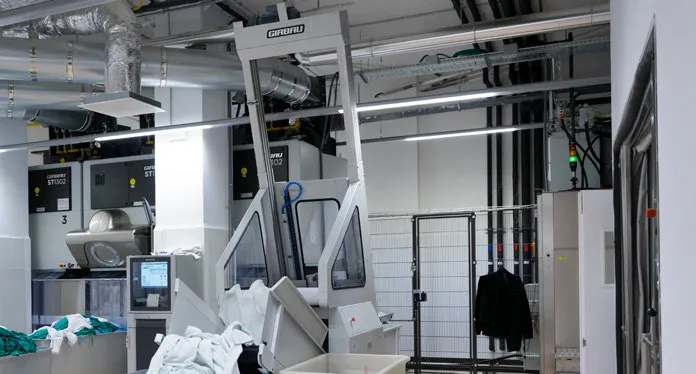
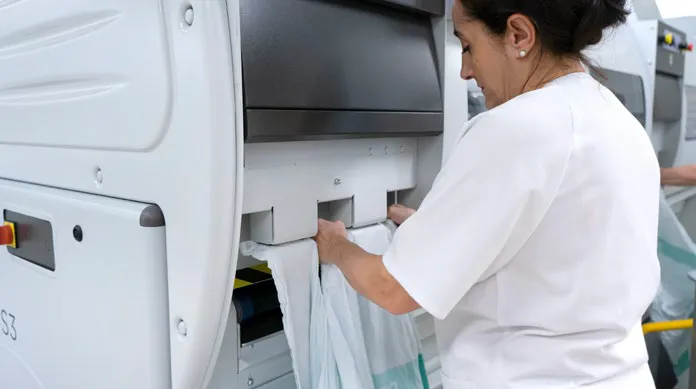
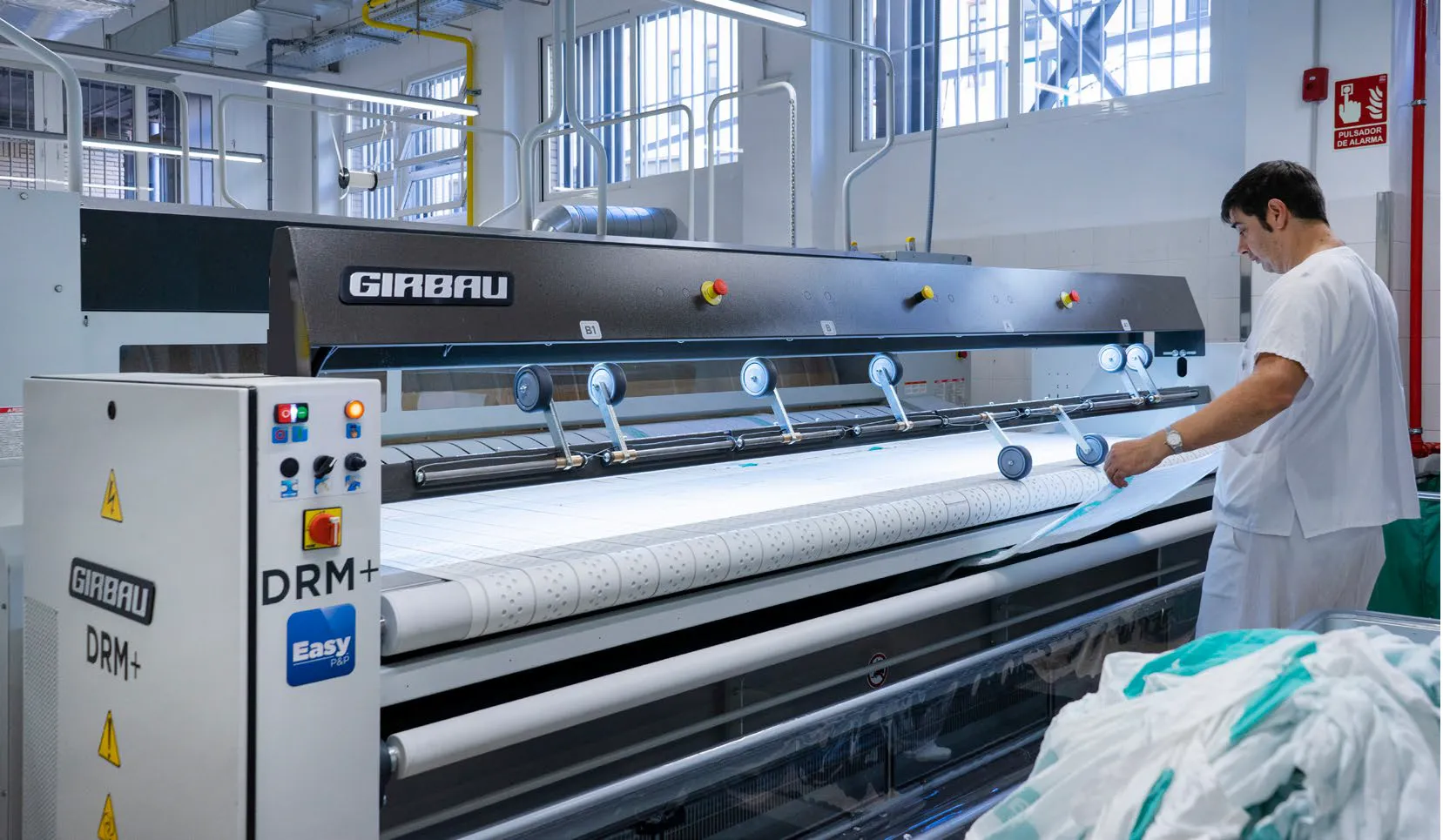
The new design ensures an ergonomic position for operators, reducing physical strain and streamlining processes. Additionally, the renovation reduces the hospital’s environmental impact by controlling gas, electricity, and water consumption, contributing to overall sustainability.
The project was carried out under the Public Procurement for Innovation (CPI) framework and received the Amparo Poch 2019 Award for Best Public Procurement for Innovation. This model allows the hospital to access advanced technology and operational improvements without direct investment, showcasing a successful example of public-private collaboration.
Would you like to implement a laundry solution as efficient as the one at the Zaragoza University Clinical Hospital?
Maximum Productivity in Continuous Washing Processes
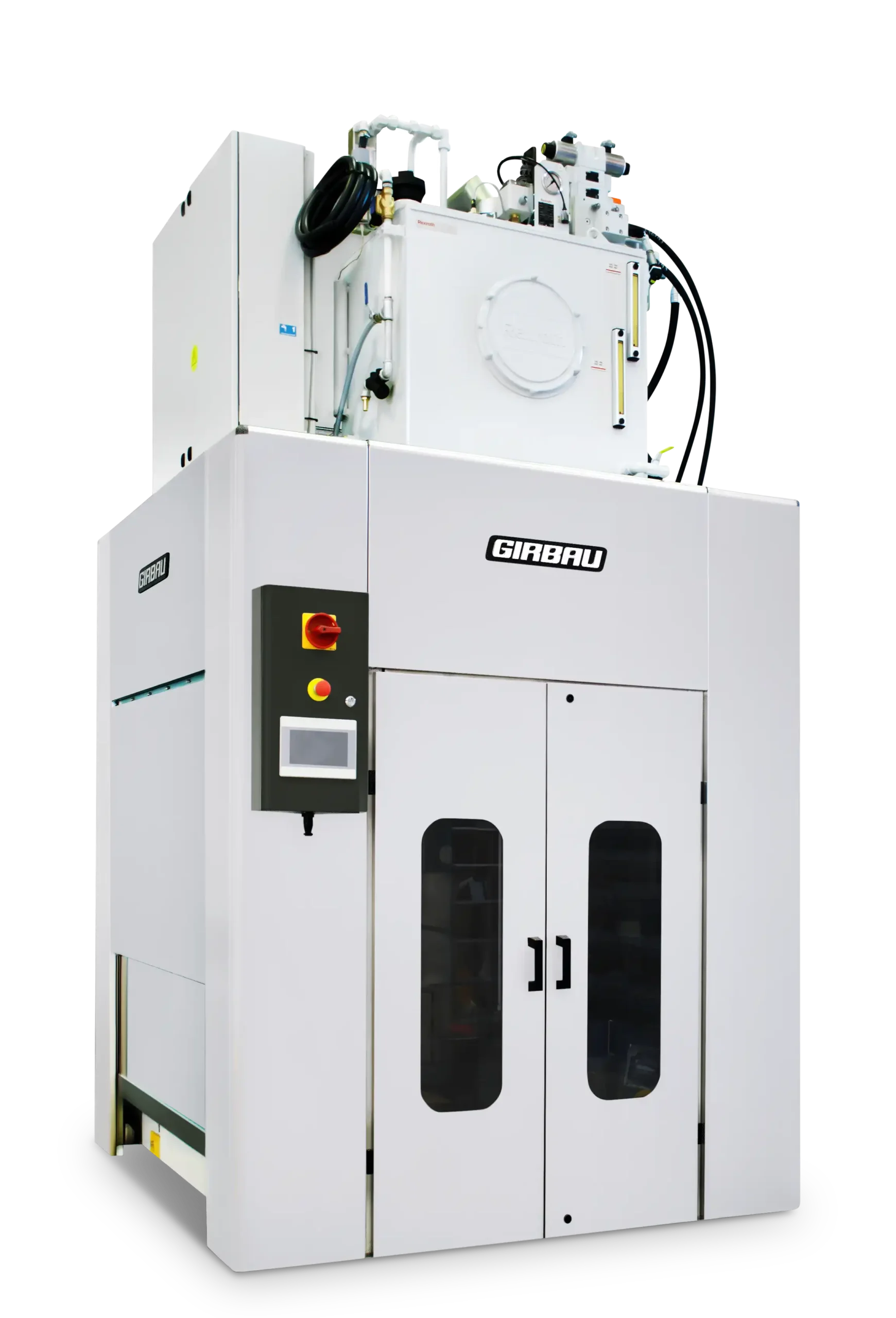
High-Performance Water Extraction and Fabric Care
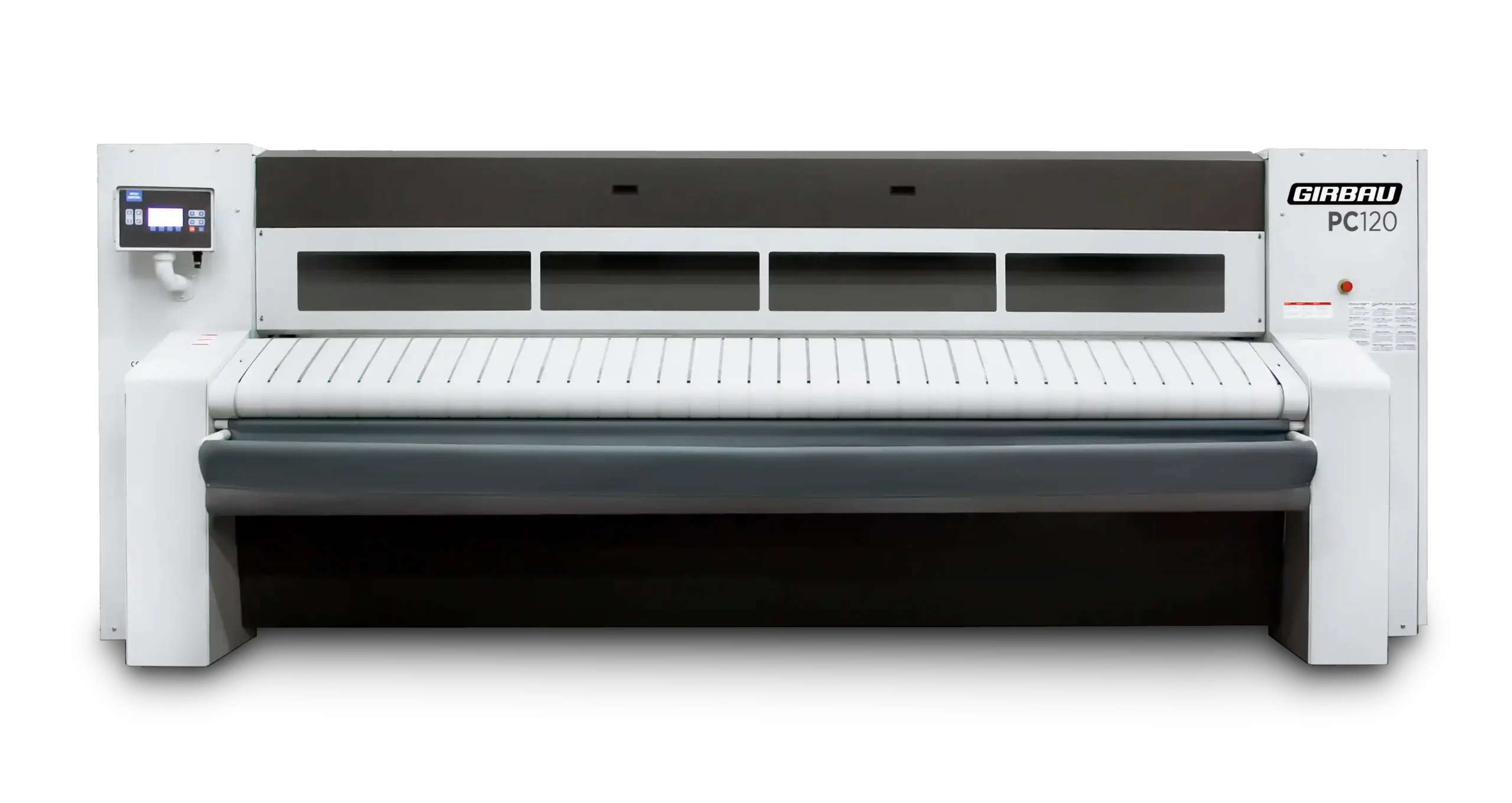
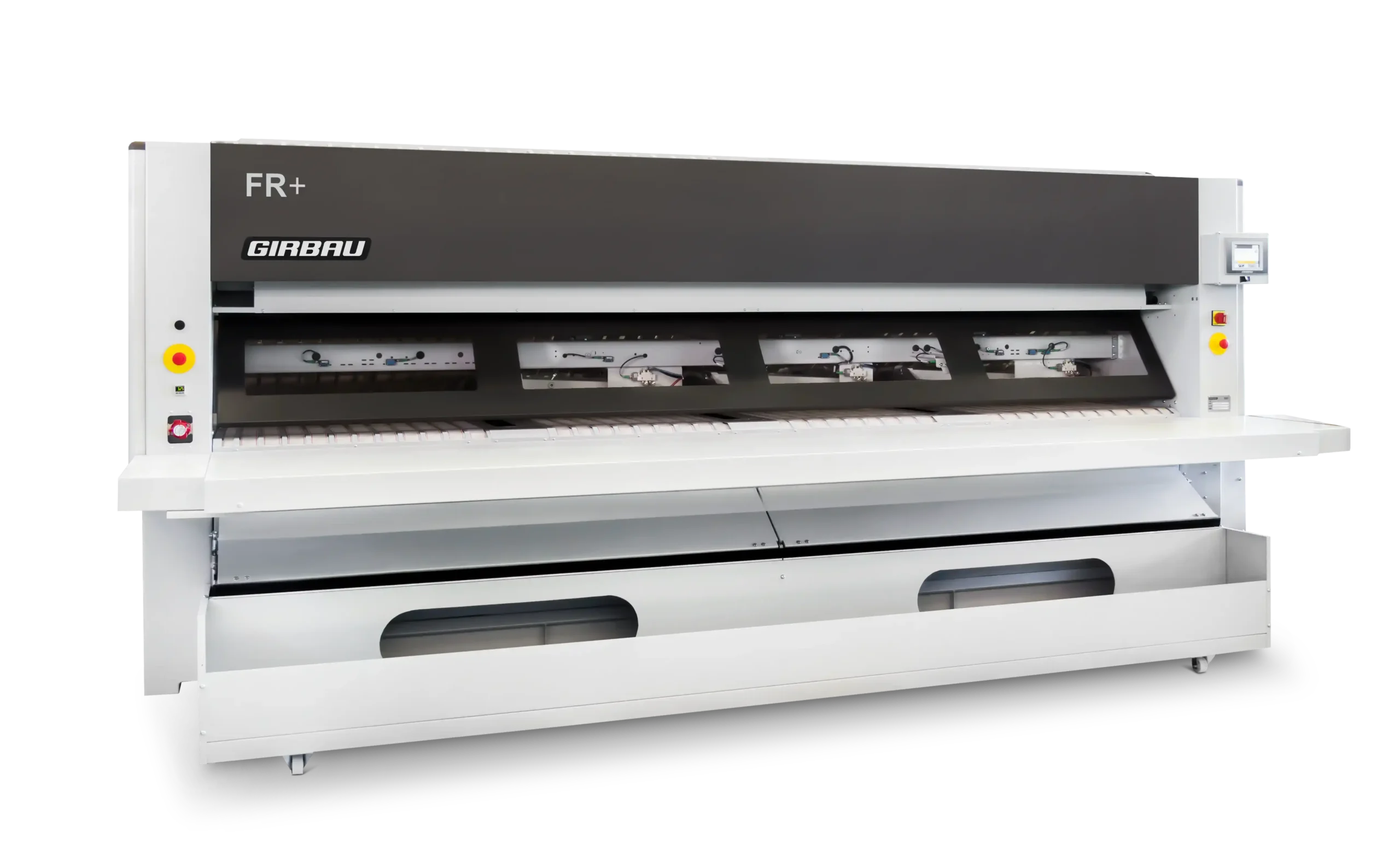
Efficiency, Precision, and Flexibility for High-Volume Flatwork Finishing
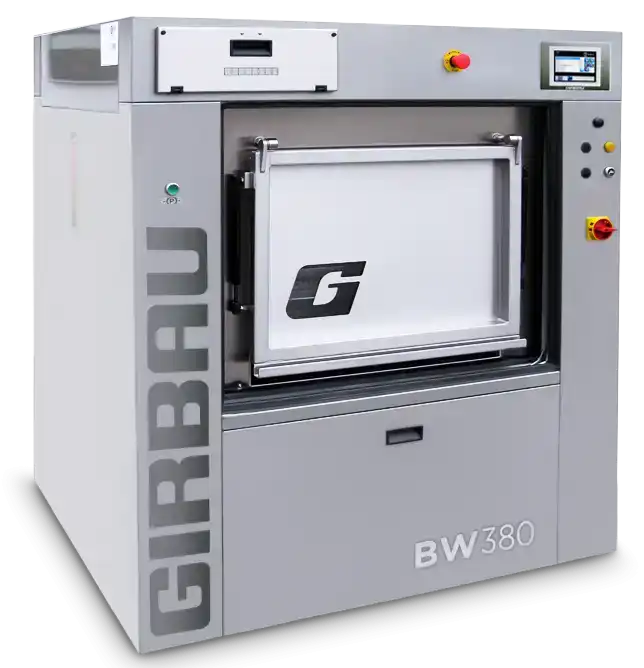
Optimized, Hygienic Washing for Critical Environments
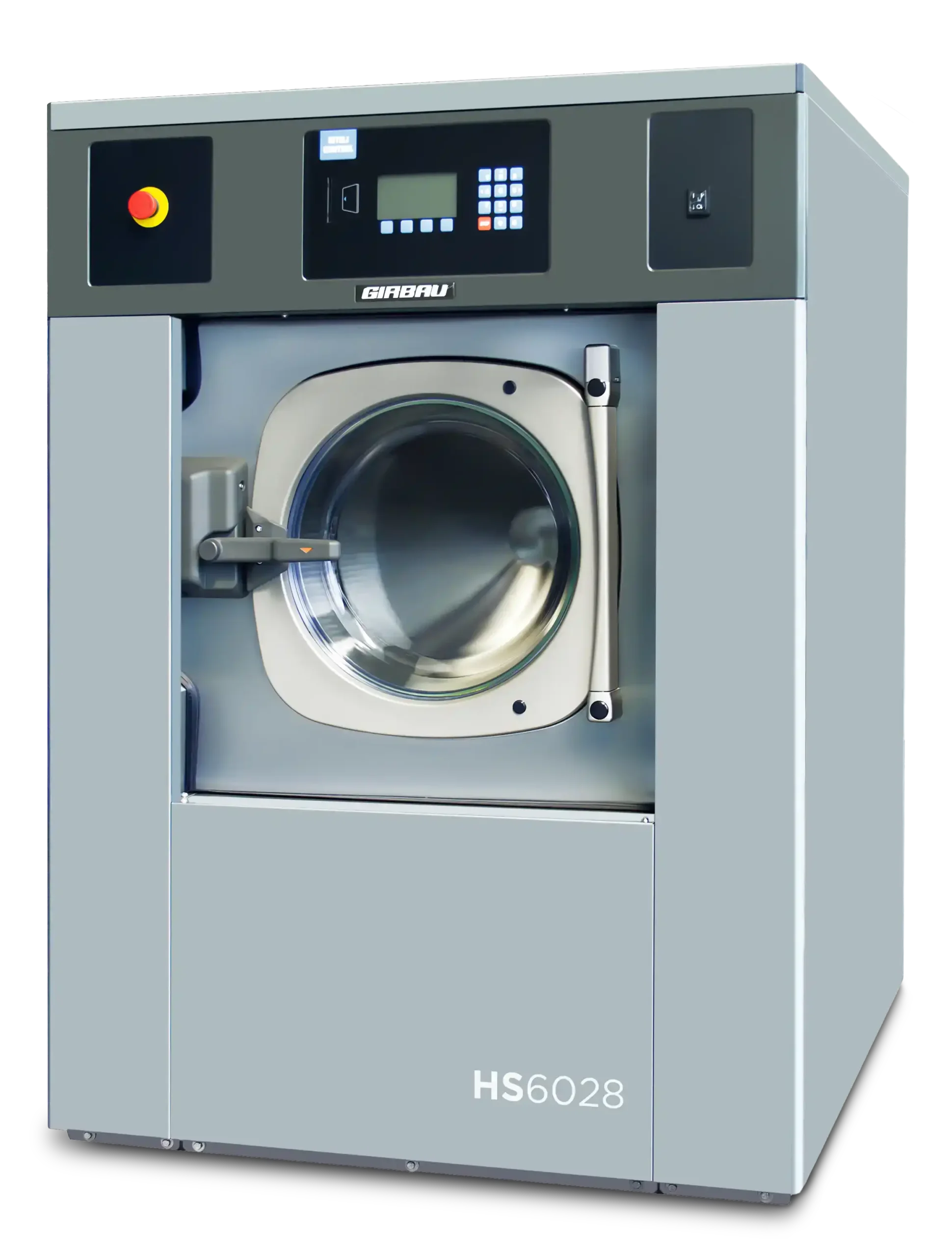
High-Speed Extraction, Robust Design, and Proven Professional Reliability
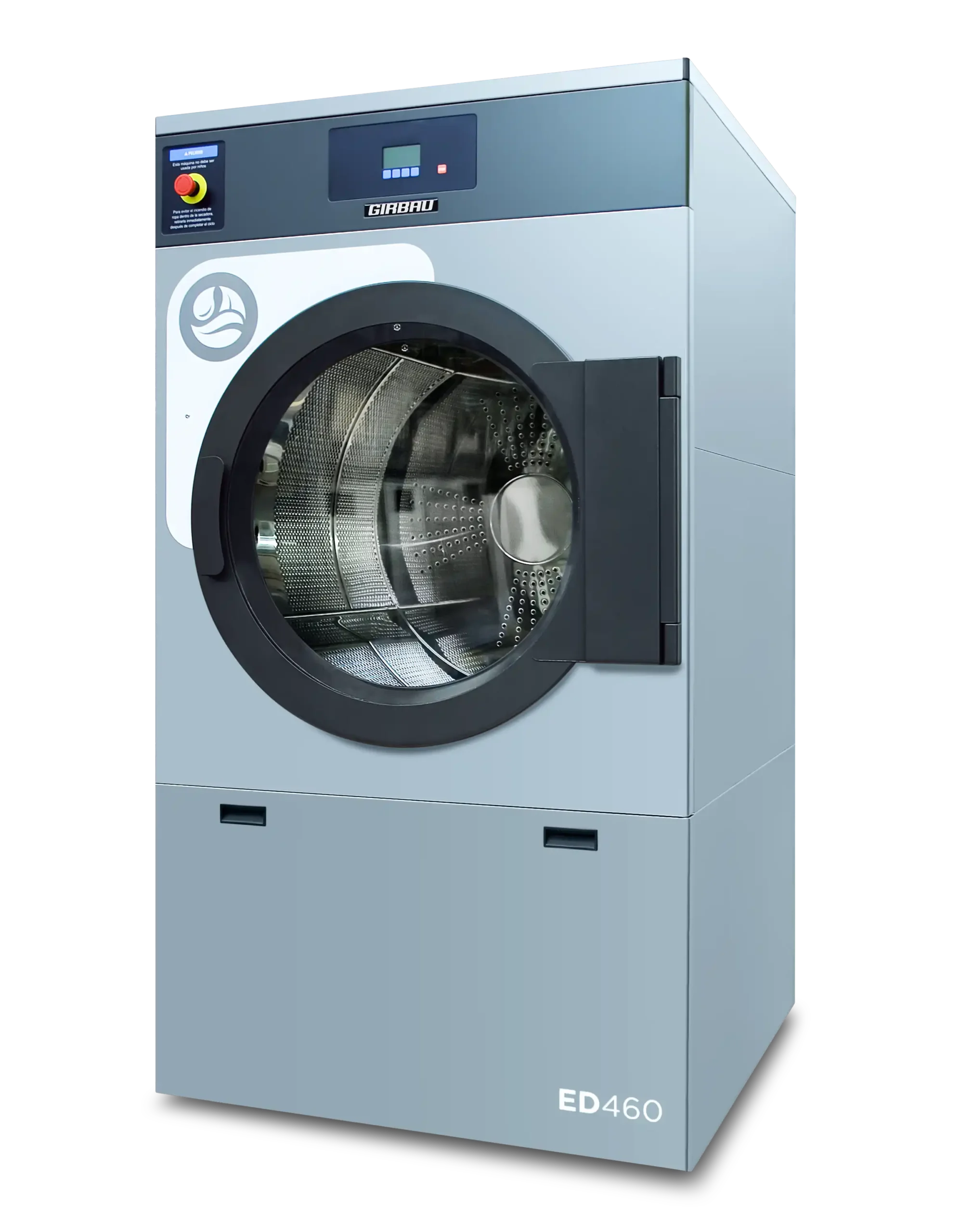
Professional Drying With Maximum Efficiency and Fabric Care
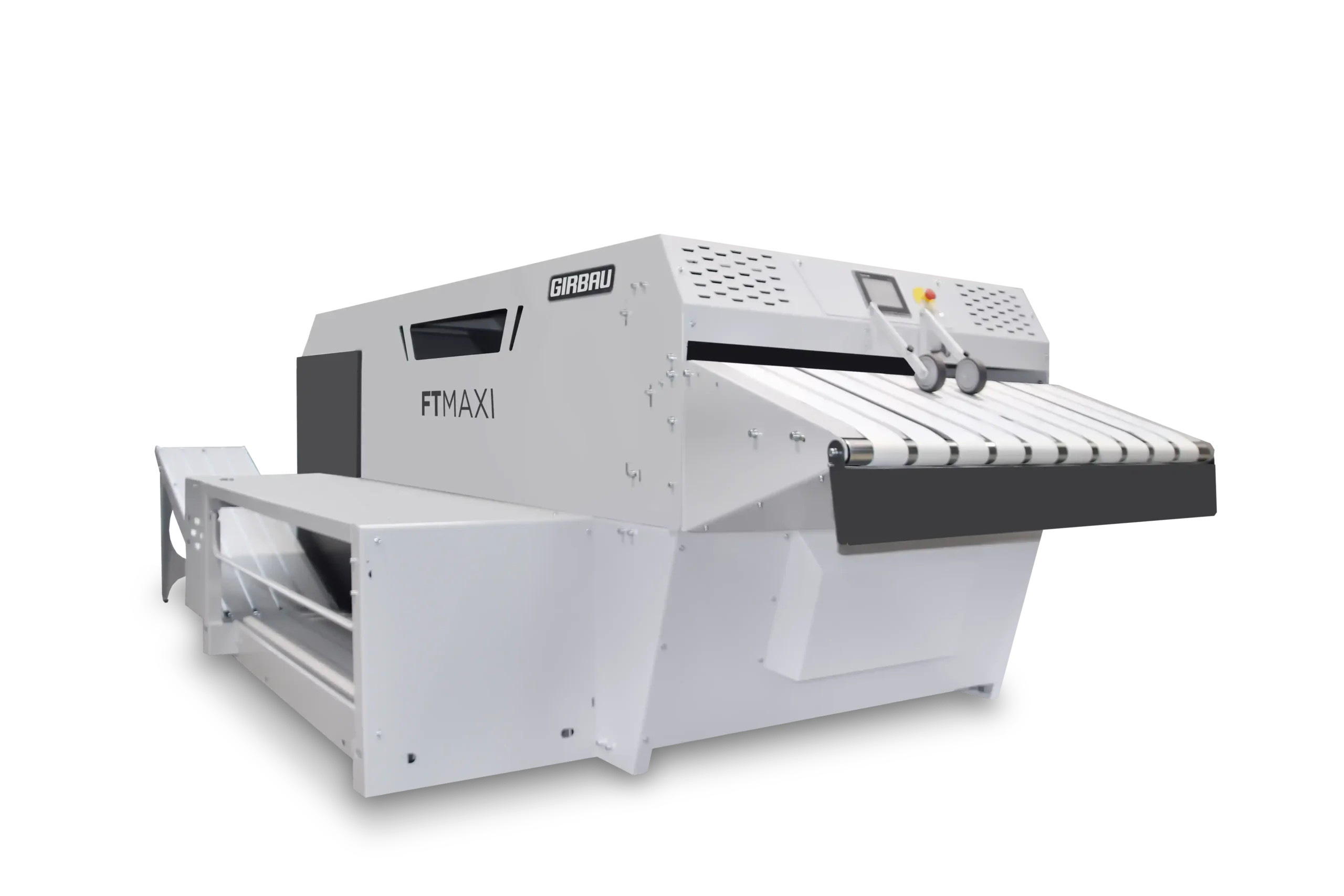
Maximum Capacity, Uniform Folding, and Intuitive Operation
Thanks to the laundry renovation, the Lozano Blesa University Clinical Hospital in Zaragoza achieved a significant increase in productivity. Washing capacity rose from 5,500 kg to 6,300 kg per shift, enabling higher demand to be met with more efficient, optimized processes.
The new management model ensures continuous and reliable laundry operations. With Girbau handling maintenance, chemicals, and equipment operation, the hospital can focus on patient care with the assurance of a fully operational and controlled critical service.
The new machinery allows for a significant reduction in the hospital’s environmental impact. The Drain Intercooler system provides a 30% energy saving in the washing process, while the hydro-extractor press reduces drying times and energy consumption. Additionally, the installation is designed to stay within agreed gas and electricity consumption limits and minimize the use of natural resources, reducing both the water and energy footprint of the process.