Sustainability & Circular Economy


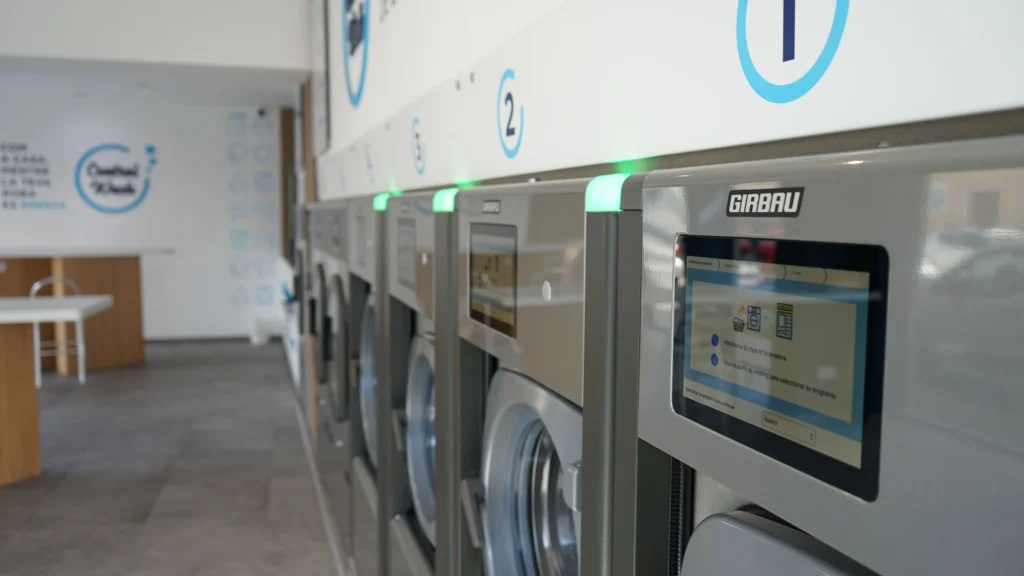
Opening a laundromat today involves much more than installing washers and dryers in a good location. As the laundry business becomes increasingly competitive, profitability depends on operational efficiency, customer experience, energy consumption, and the ability to scale the business sustainably over time. For operators planning to enter the laundromat industry, whether researching how to open a laundromat, launching a new venture, or expanding through laundromat acquisition, understanding how commercial laundromat businesses operate is essential before making any equipment investment decisions. One of the most common mistakes in laundromat planning is assuming that replacing old equipment simply means installing the same machine configuration again. In reality, every laundromat should begin with a full operational analysis as part of a comprehensive laundromat business plan. Customer behavior, market trends, wash habits, cycle demand, available space, utility costs, and future growth expectations should all be carefully analyzed as part of the operational assessment and laundromat business plan, since they directly influence the type of equipment the business truly needs and where added value can be created during a machine replacement or upgrade. One of the most common mistakes in laundromat planning is assuming that replacing old equipment simply means installing the same machine configuration again. In reality, every laundromat should begin with a full operational analysis as part of a comprehensive laundromat business plan. Customer behavior, wash habits, cycle demand, available space, utility costs, and future growth expectations all affect the type of equipment the business truly needs.
Modern laundromats operate as service businesses where profitability depends on maximizing machine uptime, customer turnover, and operational efficiency. Unlike on-premises laundries (OPL) such as hotels or hospitals, where laundry supports another core activity, self-service laundromats depend entirely on operational performance and customer flow. This means laundromat owners must constantly balance productivity, utility consumption, customer experience, and operational simplicity.
The most successful laundromats are designed not only to operate efficiently today, but also to offer an excellent customer experience and scale efficiently in the future.
Building a scalable laundromat business requires much more than adding machines. A scalable operation is one capable of increasing revenue and customer throughput without proportionally increasing operational complexity or fixed costs. Planning how money comes in and goes out early helps operators understand what they need to grow sustainably.
This becomes especially important when evaluating laundromat startup costs and long-term profitability. Space optimization plays a particularly important role. Rent is often one of the highest fixed costs in self-service laundries, meaning every square meter must generate value. Well-designed layouts improve customer flow, machine accessibility, and operational comfort while maximizing revenue potential per m². Solutions such as double-stack dryers allow laundromat owners to increase drying capacity within the same footprint, helping optimize available space without expanding the premises.
Utility efficiency is another critical factor. Water, gas, and electricity costs directly affect profitability, especially in high-volume operations. Modern laundry equipment increasingly incorporates technologies designed to reduce water and energy consumption without compromising wash quality.
When evaluating laundromat equipment, purchase price should never be the only decision factor. The total cost of a laundromat emerges over years of operation through utility consumption, maintenance requirements, downtime, and equipment lifespan.
One often overlooked factor is extraction performance during the spin cycle. Higher G-Force extraction removes more moisture from textiles before drying begins, reducing drying times and lowering energy consumption. In real operating conditions, improved extraction performance can significantly reduce total cycle times while improving customer experience, increasing machine availability during peak hours, and enhancing overall business productivity and profitability.
Choosing the right equipment also means evaluating durability, maintenance accessibility, technical support, and long-term operating efficiency. A lower upfront investment may ultimately generate higher operational costs if the equipment consumes more resources or requires more frequent maintenance.
Automation and connectivity are becoming increasingly important as laundromat businesses scale. Connected systems allow operators to remotely monitor equipment performance, analyze customer usage patterns, optimize programs, and manage multiple stores more efficiently.
Modern cashless payment systems integrate seamlessly with these platforms, improving transaction efficiency and reducing the need for coin collection while providing valuable customer data.
Platforms such as Girbau Sapphire help laundromat owners improve remote management capabilities and operational control by providing real-time performance monitoring and business analytics. This level of connectivity allows operators to make faster operational decisions while improving overall business efficiency.
At the same time, automation helps simplify daily operations and reduce dependency on manual supervision. As laundromat businesses grow, maintaining operational consistency becomes increasingly important, whether managed by laundry attendants or customer service representatives who assist customers during peak hours.
Customer experience has become one of the most important competitive advantages in the laundromat industry. Today’s users expect fast cycles, intuitive interfaces, reliable equipment, and consistent drying performance.
Faster wash and dry cycles improve machine rotation, reduce waiting times, and increase overall throughput, helping operators serve more customers throughout the day. Equipment performance therefore directly affects both operational profitability and customer satisfaction.
Clean layouts, intuitive machine operation, and efficient workflows also contribute to a better user experience, encouraging repeat visits and long-term customer loyalty.
One of the biggest challenges laundromat operators face is controlling operational costs while maintaining service quality. Water, electricity, and gas costs continue to rise, making efficiency more important than ever.
Machine downtime is another critical issue, as every unavailable machine directly affects revenue generation and customer satisfaction. Reliable equipment, preventive maintenance strategies, and strong technical support therefore become essential for operational continuity.
As laundromat businesses grow, operators must also manage increasing operational complexity. Connected systems, automation, and intuitive equipment interfaces help laundromat owners scale more efficiently without proportionally increasing staffing or administrative workload.
The laundromat industry is evolving rapidly, driven by digitalization, sustainability expectations, and changing customer behavior. For operators exploring how to open a laundromat or improve an existing self-service laundry business, equipment strategy is a long-term business decision that directly affects profitability, competitiveness, and future growth.
Thinking of opening a laundromat? Girbau’s got your back.