Laundry Types


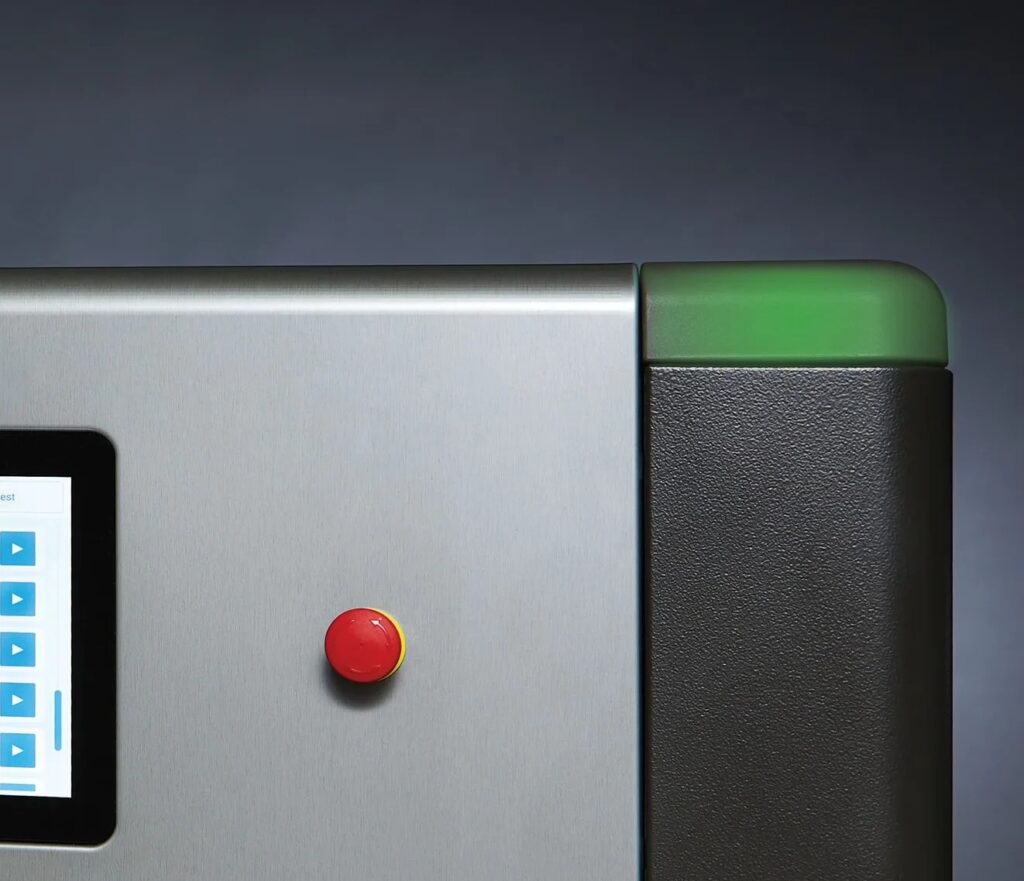
Automation is reshaping the commercial and industrial laundry market. Rising labor costs, workforce shortages, increasing utility prices, and higher customer expectations are driving laundry operators to rethink how their facilities are designed and managed.
Today, automated laundry systems are no longer reserved for the largest industrial plants. Advances in robotics, connected equipment, digital monitoring, and intelligent workflow design allow laundries of all sizes to improve productivity, reduce operating costs, and deliver more consistent quality.
However, automation is not simply about replacing manual tasks with machines. The greatest value comes from designing an integrated operation where equipment, people, and data work together to optimize every stage of the laundry process.
Automated laundry systems combine equipment, software, and intelligent process design to reduce manual intervention throughout the laundry workflow.
Depending on the operation, automation can support everything from sorting and loading to washing, drying, finishing, folding, storage, and production monitoring.
Unlike traditional laundries, where operators manually coordinate many tasks, laundry automation creates connected workflows that improve consistency, increase production capacity, and reduce unnecessary handling.
The goal is not to remove people from the process but to allow them to focus on higher-value activities while repetitive tasks are performed more efficiently and consistently.
For commercial laundries, healthcare facilities, hospitality operations, and industrial textile processors, automation creates a more reliable, scalable, and resilient operation.
Modern automated laundry equipment incorporates a wide range of technologies designed to optimize both production and operational control.
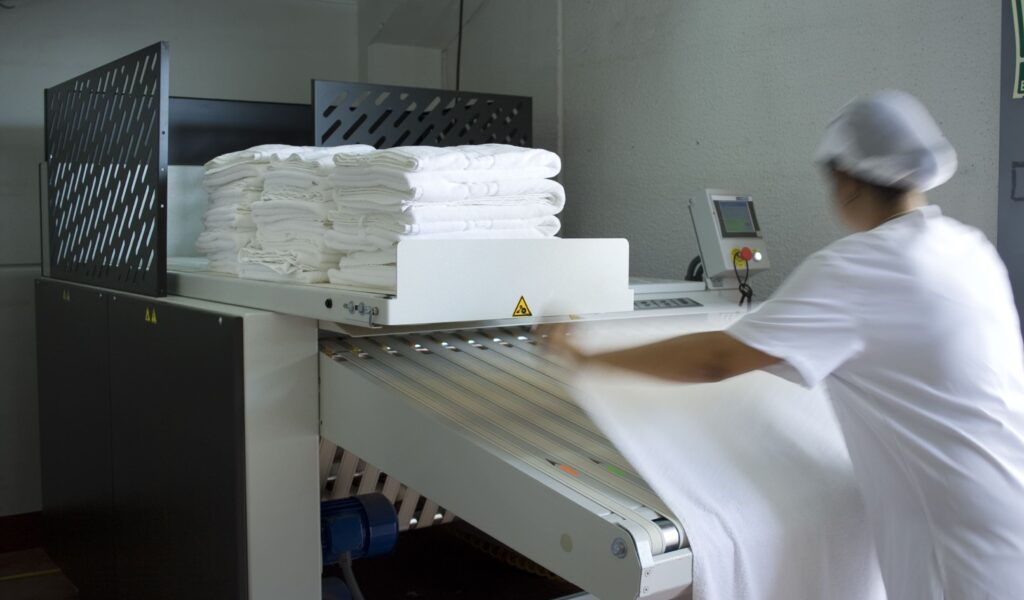
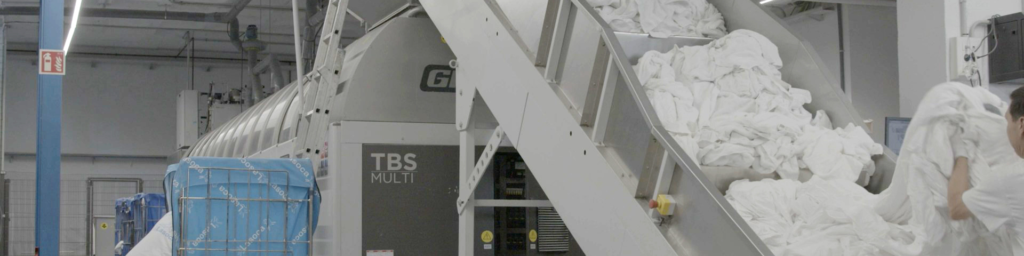
Automatic loading and unloading systems reduce manual handling while maintaining a continuous production flow. Conveyor systems simplify textile movement between workstations, minimizing unnecessary transportation inside the facility.
Robotic solutions can automate repetitive tasks such as sorting, stacking, or moving textiles, improving both productivity and workplace ergonomics.
Automation also extends beyond physical equipment. Intelligent chemical dosing systems improve wash consistency while reducing water, detergent, and energy consumption. Automated finishing equipment ensures more consistent textile quality while increasing throughput.
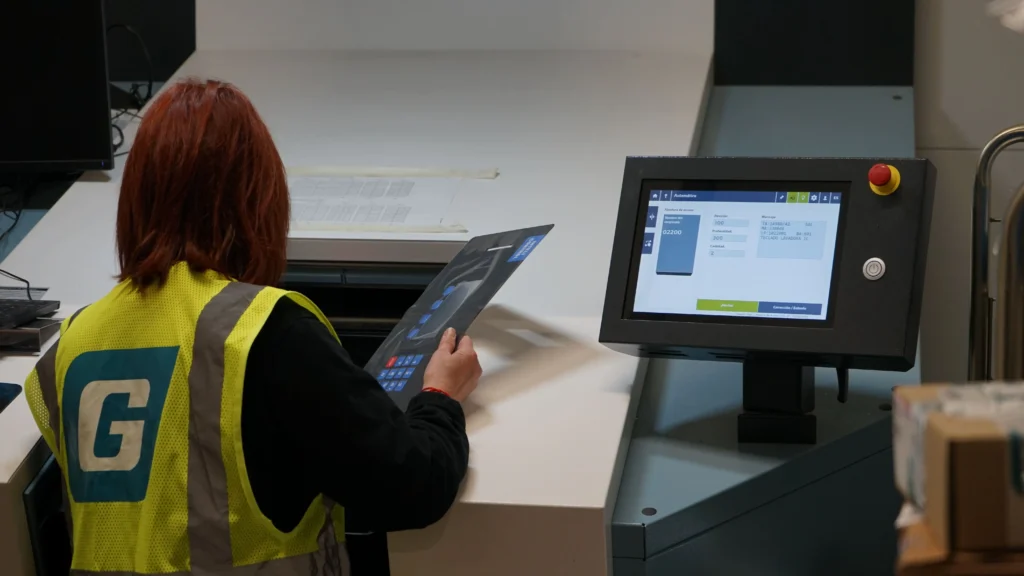
Perhaps most importantly, today’s automation platforms connect equipment across the entire laundry operation, enabling managers to supervise production from a single interface.
Rather than implementing isolated technologies, the most successful laundries integrate multiple laundry automation systems into one coordinated workflow.
One of the biggest advantages of automation is the ability to improve workflow without simply adding more equipment or labor.
By reducing manual handling, eliminating production bottlenecks, and synchronizing each processing stage, automated operations can increase throughput while maintaining consistent quality.
Well-designed workflows also improve equipment utilization. Washers, dryers, finishing systems, and storage areas operate as connected parts of a single production process rather than as independent workstations.
This results in smoother production scheduling, shorter processing times, and better resource allocation throughout the facility.
Automation also provides greater operational flexibility. Production priorities can be adjusted more quickly, allowing laundries to respond efficiently to changing customer demands without disrupting the overall workflow.
Ultimately, higher throughput is not just about processing more textiles—it is about processing them more intelligently.
Labor remains one of the largest operating expenses in most professional laundries. While automation does not eliminate the need for skilled employees, it allows teams to accomplish more with fewer repetitive manual tasks.
Reducing unnecessary textile handling also improves workplace safety and ergonomics while minimizing the risk of errors throughout the production process.
Automation contributes to cost reduction in several other ways. Intelligent resource management lowers water, energy, and chemical consumption. Preventive maintenance systems reduce unexpected downtime, while optimized workflows decrease idle machine time and improve overall equipment effectiveness.
Over time, these operational improvements translate into lower production costs, better asset utilization, and faster return on investment.
For many organizations, automation becomes a strategic tool for improving competitiveness rather than simply reducing labor.
Modern automated laundry systems generate valuable operational data throughout every production cycle.
Connected equipment continuously provides information about machine performance, production volumes, energy consumption, maintenance status, and operational efficiency.
Instead of relying on manual inspections or periodic reports, managers gain real-time visibility into the entire operation.
Platforms such as Girbau Sapphire allow operators to monitor equipment remotely, analyze production trends, optimize workflows, and identify potential issues before they affect productivity.
This level of visibility provides more than operational control—it gives managers confidence that the laundry is performing as expected. Less time is spent investigating problems, while more time can be dedicated to improving customer service, production planning, and business performance.
As digitalization continues across the laundry industry, connected equipment is becoming one of the most valuable components of laundry automation.
Not every laundry requires the same level of automation.
The most successful automation projects begin by understanding operational objectives rather than selecting technologies first.
Organizations should evaluate production volumes, labor availability, workflow efficiency, facility layout, growth expectations, and existing equipment performance before deciding where automation will deliver the greatest value.
In many cases, introducing automation gradually produces better long-term results than attempting a complete transformation at once. Upgrading individual processes—such as loading, chemical dosing, finishing, or digital monitoring—can generate measurable improvements while preparing the operation for future expansion.
Working with an experienced laundry partner also helps organizations identify the automation technologies that provide the strongest return on investment while ensuring every solution fits the specific operational requirements of the facility.
Automation is no longer simply about increasing production capacity. It has become a strategic way to improve operational efficiency, reduce costs, strengthen workplace safety, and deliver more consistent service.
When combined with connected technologies and intelligent workflow design, automated laundry systems help organizations build more productive, scalable, and resilient laundry operations.
Whether modernizing an existing facility or planning a new one, the greatest value comes from implementing automation that is aligned with operational goals and designed for long-term performance.
Looking to automate your laundry operation? Girbau helps commercial and industrial laundries design smarter operations through advanced automated laundry equipment, connected technologies, and expert consulting tailored to each facility’s production needs.