Sustainability & Circular Economy


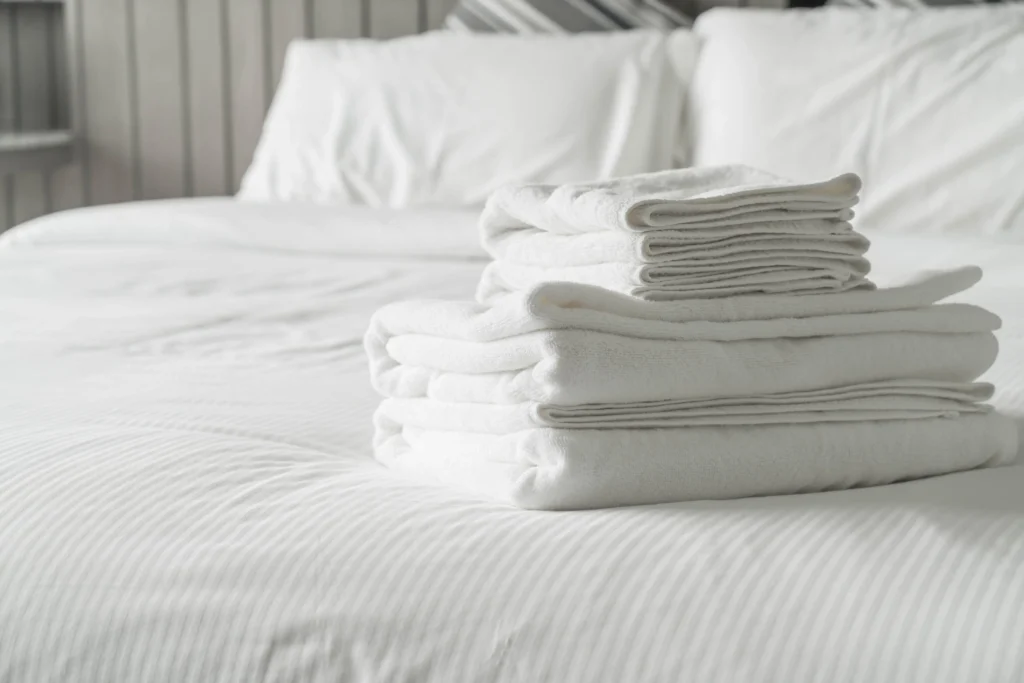
Linen is one of the most valuable operational assets in any hotel. From bed sheets and towels to table linens and spa textiles, these items play a direct role in the guest experience while representing a significant ongoing operational expense.
Yet many hotels still struggle to maintain accurate visibility over their linen inventory. Missing items, inefficient laundry processes, inconsistent stock levels, and unnecessary replacements can quietly increase operating costs without being immediately apparent.
Improving hotel linen tracking is no longer simply about counting textiles. It is about gaining visibility across the entire linen lifecycle, optimizing inventory levels, reducing losses, and making better operational decisions.
Linen loss is often viewed as an unavoidable operating expense. However, when analyzed over time, it can become one of the hidden costs affecting hotel profitability.
Every missing towel, damaged bedsheet, or prematurely discarded duvet increases replacement expenditure while reducing the return on the original investment.
Beyond direct replacement costs, poor hotel linen inventory management can also lead to:
Because linen moves continuously between guestrooms, housekeeping, laundry, storage areas, and external suppliers, maintaining accurate visibility becomes increasingly difficult without standardized processes.
Reducing linen loss starts by understanding where and why these losses occur.
Hotels manage thousands of textile items every day, often across multiple departments and locations.
Without reliable hotel linen tracking, organizations frequently face challenges such as:
Many of these issues are not caused by insufficient inventory, but by insufficient information.
Without accurate data, hotels often compensate by purchasing additional linen, increasing inventory levels instead of improving operational control.
Effective linen inventory management begins with establishing standardized processes across the entire laundry operation.
Hotels should first define optimal inventory levels based on occupancy, laundry turnaround times, and operational requirements rather than relying on historical purchasing patterns alone.
Regular inventory audits help identify discrepancies before they become significant losses. Standardized counting procedures also improve consistency between housekeeping, laundry, and storage teams.
Equally important is establishing clear textile handling procedures throughout the linen lifecycle—from collection and washing to storage and redistribution.
Rather than focusing solely on replacing missing items, successful hotels continuously monitor inventory performance to identify opportunities for operational improvement.
One of the most effective ways to reduce linen loss is improving visibility across every stage of the laundry process.
Knowing where textiles are, how often they are being processed, and how inventory levels change throughout the day allows managers to make faster and better-informed decisions.
Improved visibility also helps optimize housekeeping operations by ensuring clean linen is available where and when it is needed.
When laundry workflows are properly organized, hotels can reduce unnecessary textile movement, improve equipment utilization, and minimize delays between washing and room availability.
Ultimately, better visibility translates into better operational control.
Technology is transforming the way hotels manage their linen operations by providing more data and by giving managers greater confidence and control over day-to-day operations.
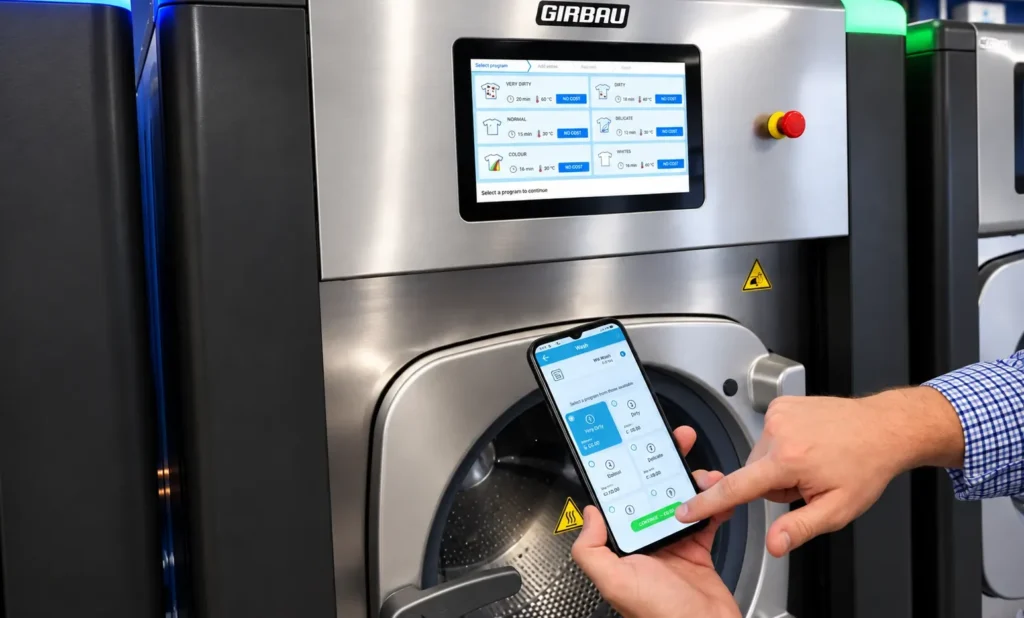
Connected laundry equipment, digital management platforms, and automated reporting provide real-time visibility into production, equipment performance, resource consumption, and linen activity. Instead of relying on manual checks or reacting to problems after they occur, managers can instantly understand what is happening across the laundry and make informed decisions more quickly.
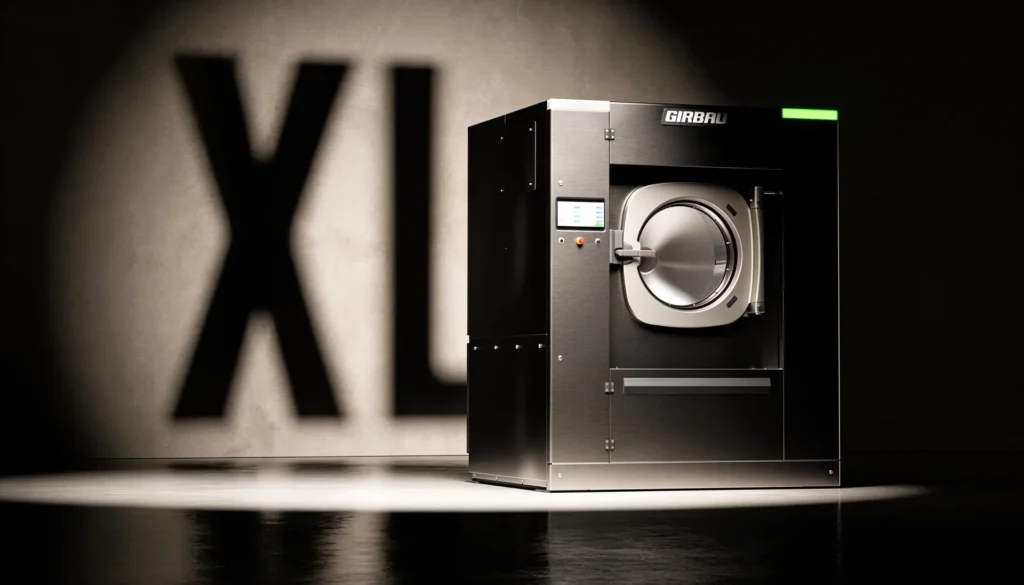
Solutions such as Girbau Sapphire allow hotels to monitor laundry performance remotely, optimize workflows, analyze production data, and identify potential issues before they impact operations. This means less time spent reviewing processes and more time focused on improving service quality and operational performance.
Digital technologies also simplify preventive maintenance by alerting operators to potential issues before they become unexpected breakdowns. The result is greater equipment availability, fewer operational disruptions, and more consistent laundry performance.
Connected laundry management brings peace of mind. With continuous access to reliable operational information, hotel teams can stay in control of their laundry operations, improve efficiency, and ensure that clean linen is always available when guests need it.
Reducing linen replacement costs requires more than purchasing durable textiles.
It requires understanding how linen is used, processed, stored, and managed throughout its entire lifecycle.
Hotels that combine efficient workflows, connected technologies, and structured hotel linen management processes can significantly reduce unnecessary losses while improving productivity and guest service.
Working with an experienced laundry partner also helps hotels optimize equipment selection, workflow design, and operational processes to maximize the value of every textile investment.
Ultimately, better hotel linen tracking translates into better service, fewer operational disruptions, and higher guest satisfaction. By reducing linen losses and improving inventory control, hotels also lower replacement costs and build a more cost-efficient operation over time.
Effective hotel linen tracking is now a strategic component of hotel operations. By improving visibility, implementing structured linen inventory management processes, and leveraging connected technologies, hotels can reduce linen loss, optimize operational efficiency, and improve long-term profitability.
Whether designing a new laundry operation or optimizing an existing one, working with an experienced partner helps ensure that people, processes, and technology work together to maximize the value of every linen asset.
Looking to improve your hotel’s laundry operations? Girbau helps hotels optimize hotel linen management through advanced laundry equipment, connected technologies such as Girbau Sapphire, and expert consulting tailored to each property’s operational needs.